Refrigerant Leak Detection
Find the leak first. Then recharge. Never the other way around.
If your AC is low on refrigerant, there's a leak somewhere — refrigerant doesn't 'get used up.' Recharging without finding the leak is throwing money out the door. GERARDO HVAC LLC uses electronic leak detectors and pressure testing to locate leaks across Fort Dodge, Webster City, Humboldt, and Eagle Grove, Iowa.
Signs You Need Refrigerant Leak Detection
- AC blows warm air after running for a while
- Ice buildup on the refrigerant line or evaporator coil
- Hissing sound near the indoor or outdoor unit
- Oily residue around fittings or coil ends
- AC needs to be 'topped off' every season
- Long run times with poor cooling
How I Approach Refrigerant Leak Detection
I pressure-test the system, use an electronic refrigerant leak detector, and inspect the most common leak points — Schrader valves, coil U-bends, line-set flares, and brazed joints. If the leak is in the coil, I'll explain whether repair, coil replacement, or system replacement is the right call.
What's Included
- Electronic leak detection (R-410A, R-22, R-32, R-454B)
- Pressure testing with nitrogen
- Evaporator and condenser coil inspection
- Line-set, valve, and fitting inspection
- Honest report on repairable vs. non-repairable leaks
- Coordination with refrigerant recharge service
Why Choose GERARDO HVAC LLC
Some shops recharge without ever finding the leak. That's an EPA violation and it wastes your money. I find the leak first and tell you honestly whether it makes sense to repair, replace the coil, or replace the system.
Service Areas
Refrigerant Leak Detection available in:
See my refrigerant leak detection in Humboldt, IA for local coverage details and nearby communities, or the other service area pages above.
For local heating repair detail, see furnace repair and heating service in Fort Dodge, IA or browse city pages: Fort Dodge HVAC & AC repair, Humboldt HVAC & AC repair, Eagle Grove HVAC & AC repair, Webster City HVAC & AC repair.
Schedule Refrigerant Leak Detection
Losing refrigerant? Call (515) 206-3232 for a real leak search across Fort Dodge, Webster City, Humboldt, and Eagle Grove, Iowa.
Refrigerant Leak Detection — FAQs
How much does leak detection cost?
Less than recharging a leaking system twice. I quote the diagnostic before starting so you know what to expect.
What if the leak is in the coil?
Sometimes the coil is under warranty and only labor is owed. Sometimes coil replacement makes more sense than chasing a small leak. I give you the honest numbers either way.
Is it illegal to recharge a leaking system?
EPA rules require leaks above certain thresholds to be repaired, not just topped off. Reputable techs follow the rules.
Can a small leak fix itself?
No. Refrigerant leaks always get worse over time as oil and pressure cycling enlarge the opening.
Other HVAC Services
Same-day AC repair from a local technician you can trust.
Accurate no-heat diagnostics and furnace repair for Fort Dodge and surrounding North Central Iowa communities.
Seasonal tune-ups that prevent the breakdown before it happens.
Fast response for no-heat and no-cool emergencies — call (515) 206-3232.
Diagnostics and repair for central heat pumps and mini-splits.
Smart thermostats, wiring fixes, and honest help choosing the right one.
Need Refrigerant Leak Detection Today?
Call or text (515) 206-3232 — you'll reach me directly.
GERARDO HVAC LLC · Fort Dodge, IA · Serving Webster City, Humboldt & Eagle Grove
Refrigerant Leak Detection & Repair — Step by Step
A real commercial rooftop HVAC leak repair completed by Gerardo HVAC LLC in Fort Dodge, IA. From system isolation and nitrogen pressure testing to leak location, brazing, deep vacuum, refrigerant recharge, and final performance verification — this is how the job is done right.
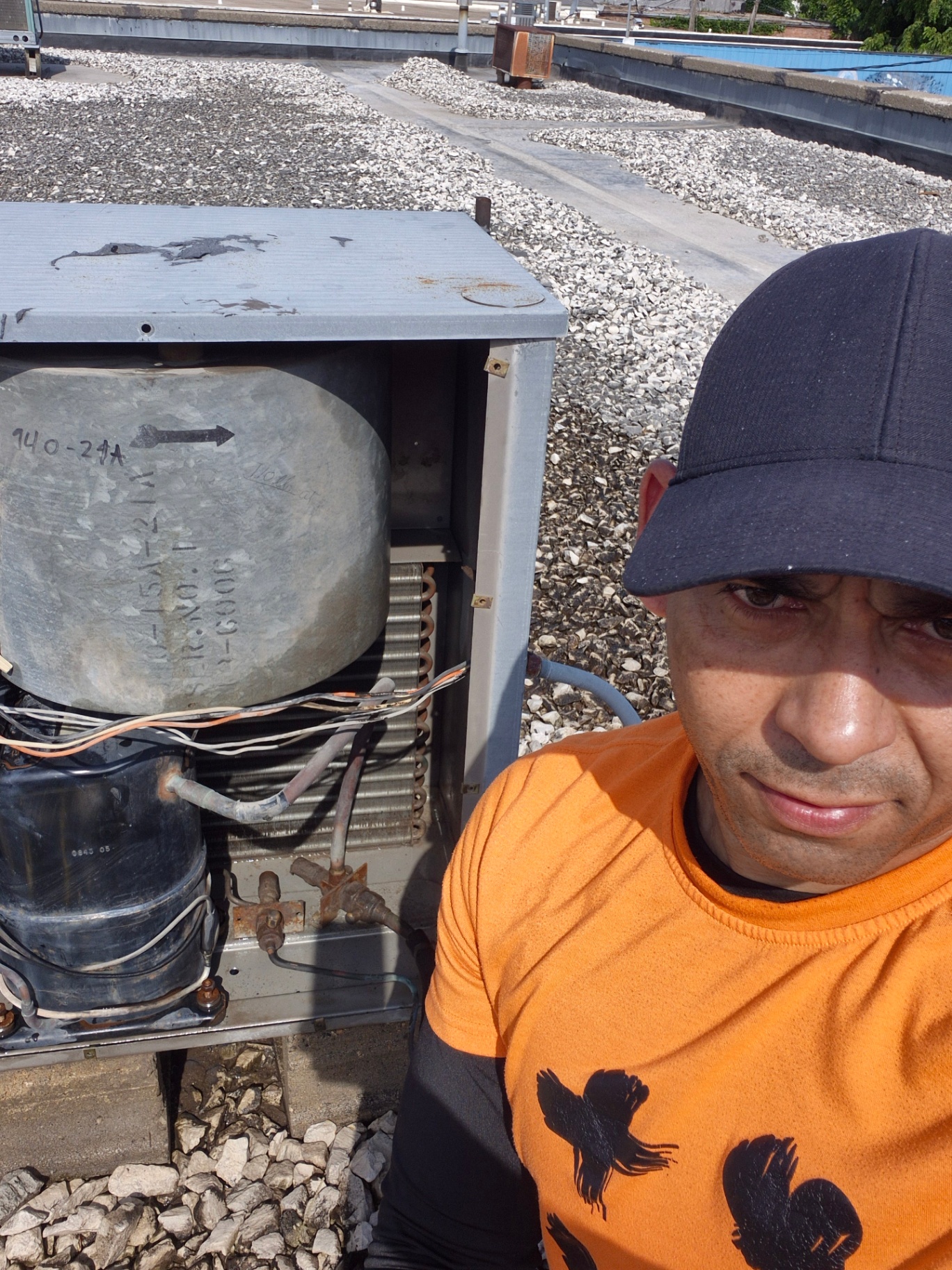 Step 1
System Isolation & Prep
Power is locked out and the system is isolated so refrigerant lines can be safely opened and tested.
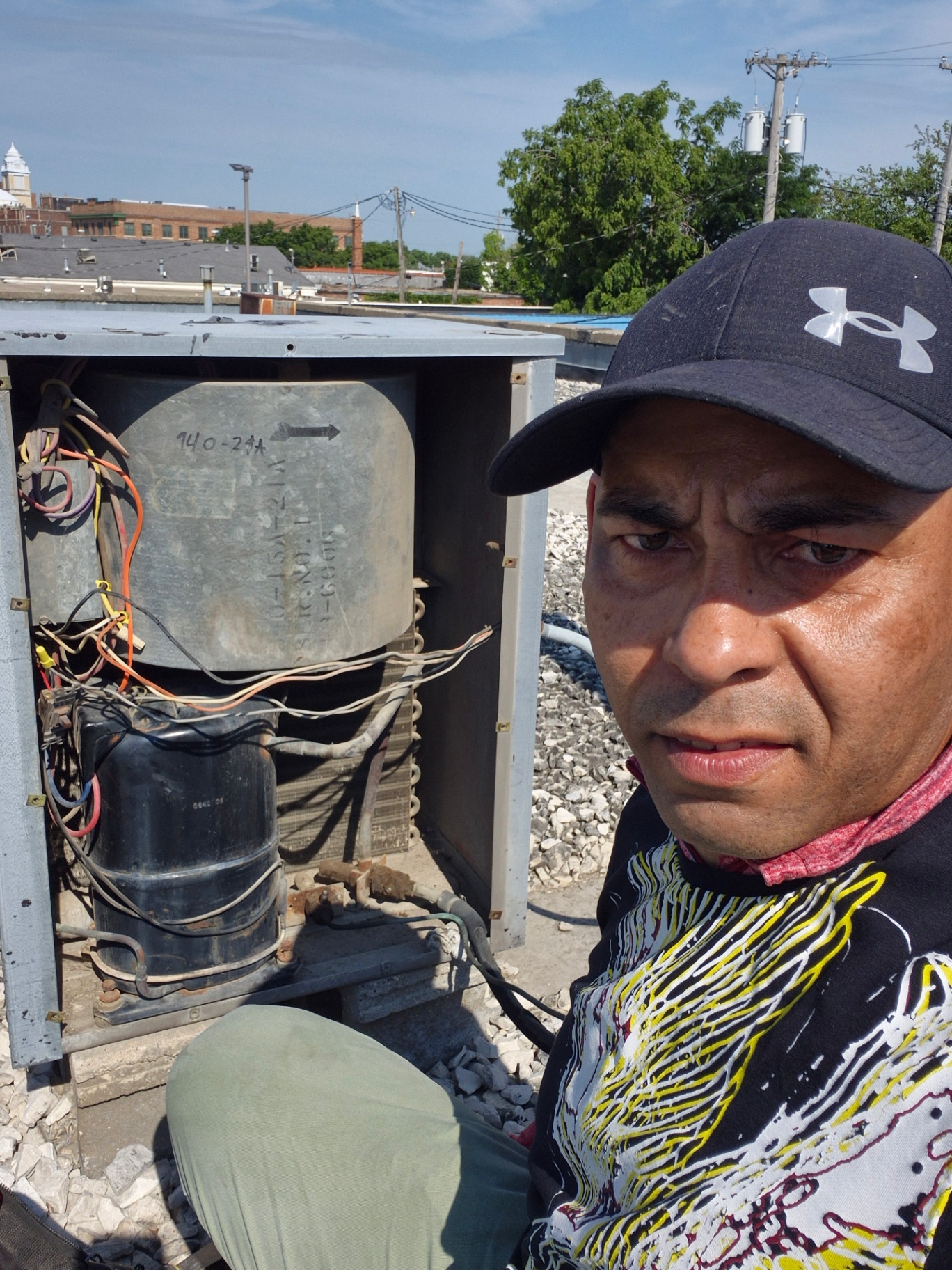 Step 2
Open Unit & Visual Inspection
Panels come off for a full visual inspection of the coil, compressor, and refrigerant piping.
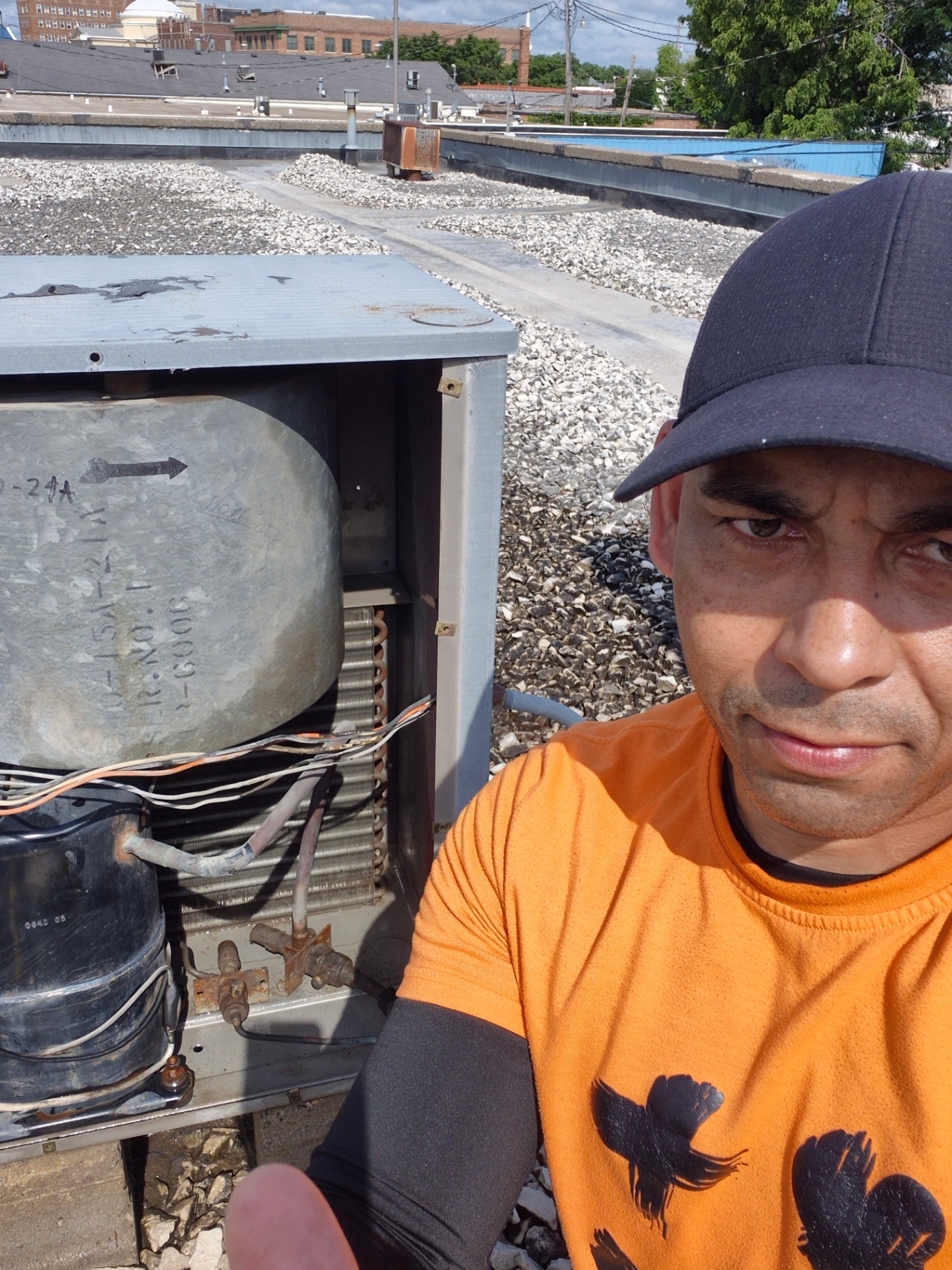 Step 3
Nitrogen Pressure Test
The system is pressurized with dry nitrogen to safely stress the lines and expose any leak points.
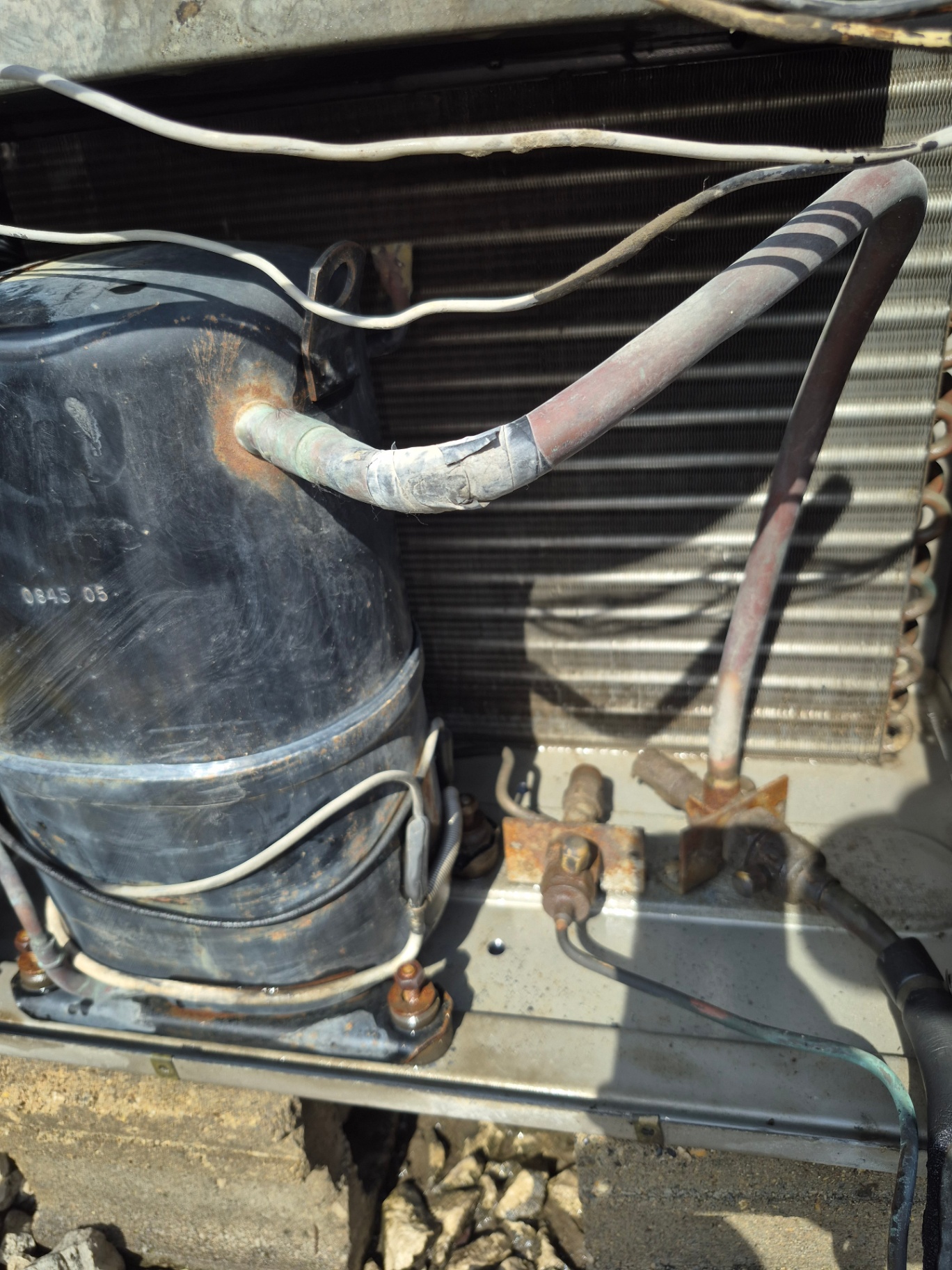 Step 4
Leak Location
Suspect joints and fittings are inspected with electronic detection and bubble solution until the leak is pinpointed.
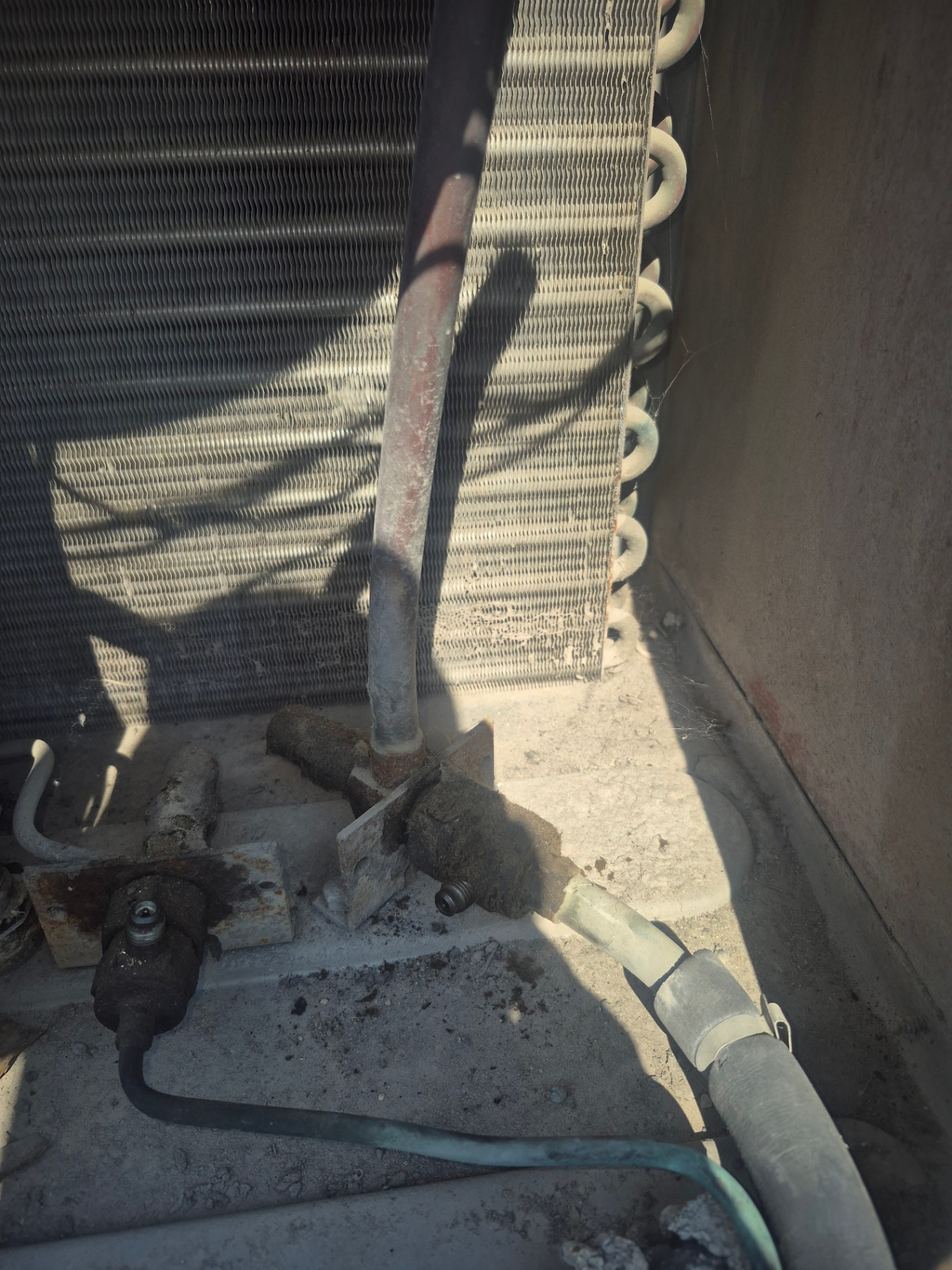 Step 5
Repair & Brazing
The damaged section is cut out, cleaned, and brazed with new copper — then pressure-tested again to confirm the fix.
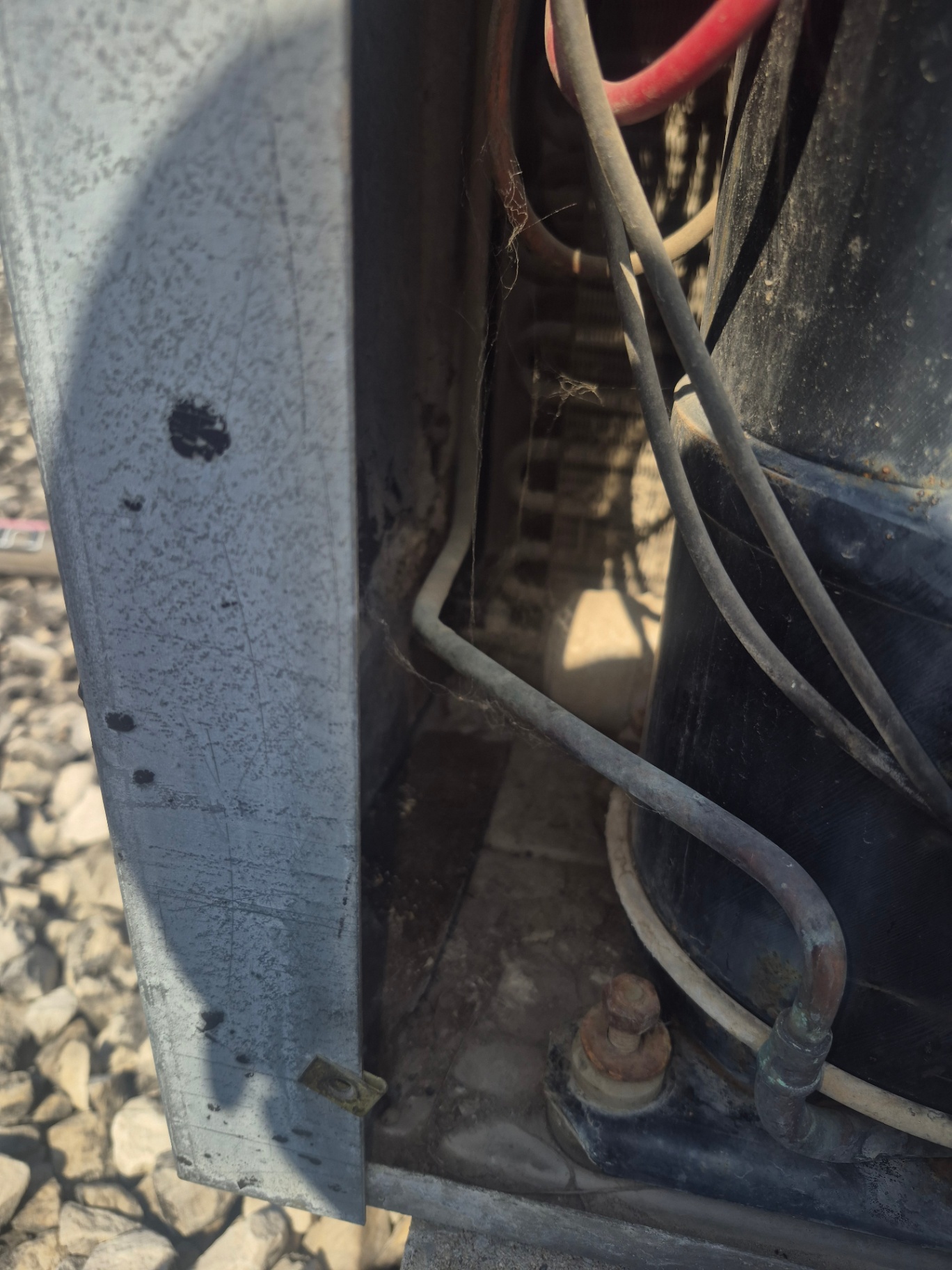 Step 6
Deep Vacuum
A deep vacuum is pulled to remove all moisture and non-condensables before recharging.
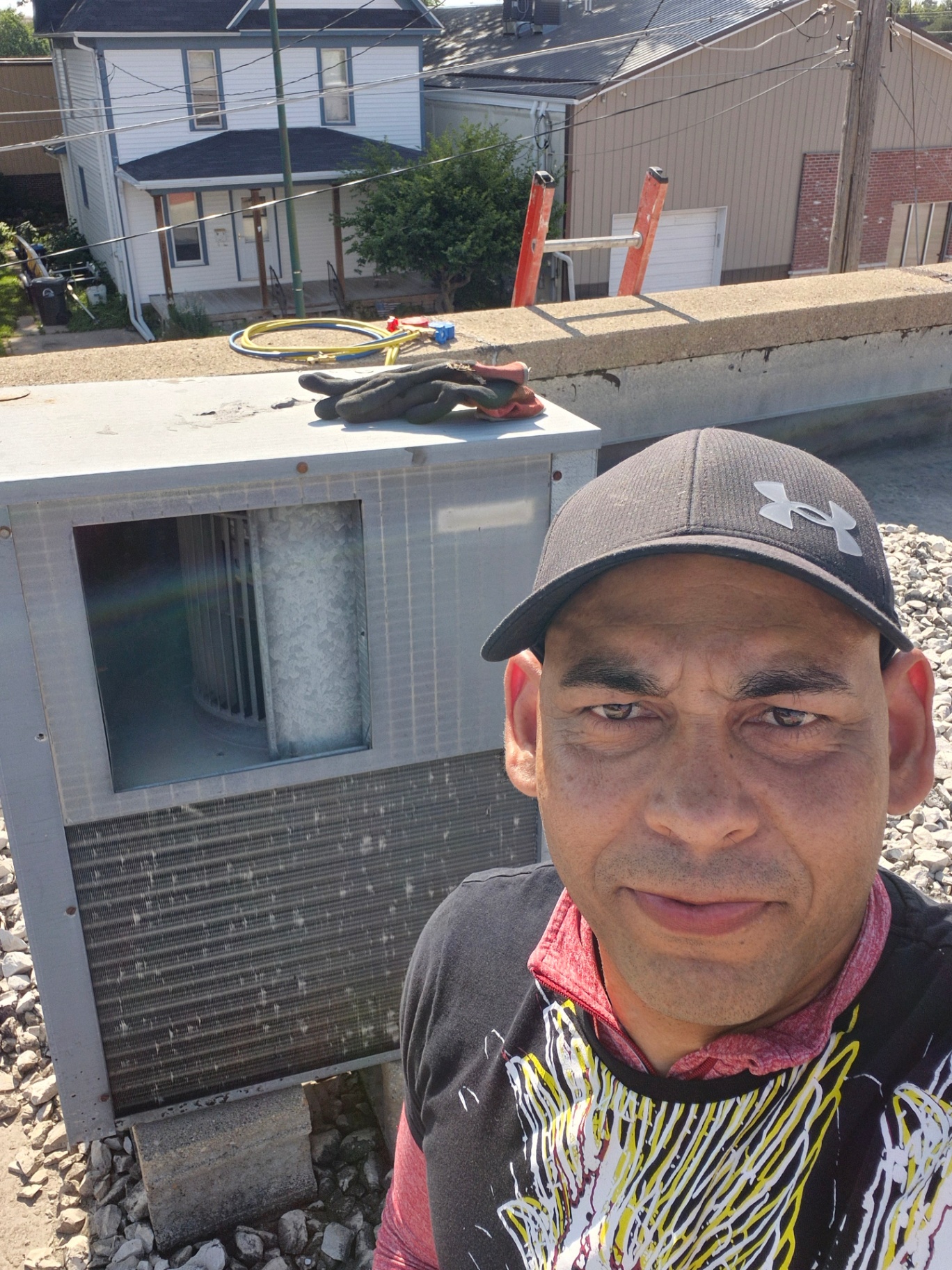 Step 7
Refrigerant Recharge
The system is recharged to the manufacturer's spec by weight for accurate cooling capacity.
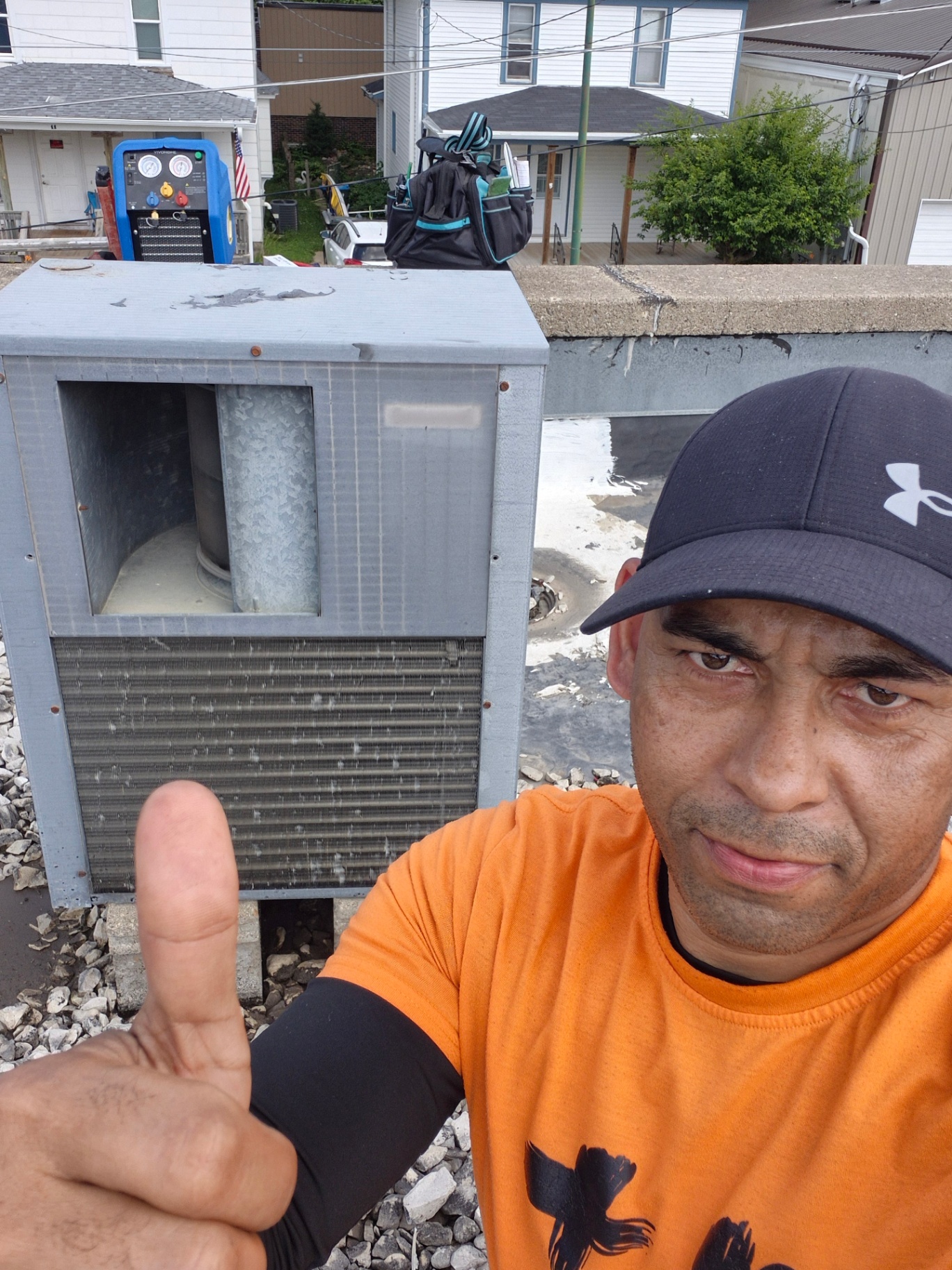 Step 8
Performance Verification
Superheat, subcooling, and delta-T are verified — the customer gets a fully cooling, leak-free system.
Suspect a refrigerant leak?
Weak cooling, ice on the lineset, or a system that keeps needing refrigerant? Let's find the leak and fix it — not just top it off.